
Knowledge in frequency therapy
The use of frequency therapy has become increasingly relevant in recent years and is now being used successfully in various areas of application.
However, a thorough knowledge base is of great significance in order to be able to use this form of therapy effectively.
For this reason, we have compiled a large number of fascinating articles on the topic of frequency therapy for you in this blog.
Use this resource to expand your knowledge of frequency therapy and benefit from the insights of other experts.
For our members, we have also provided exclusive additional information for each article.
explore the realm of frequency therapy and let our articles inspire you.
Filter products

Bartonella Elizabethae
Bartonella elizabethae pathogens are also known by the former name "Rochalimaea elizabethae". It is a bacterium of the genus Bartonella.
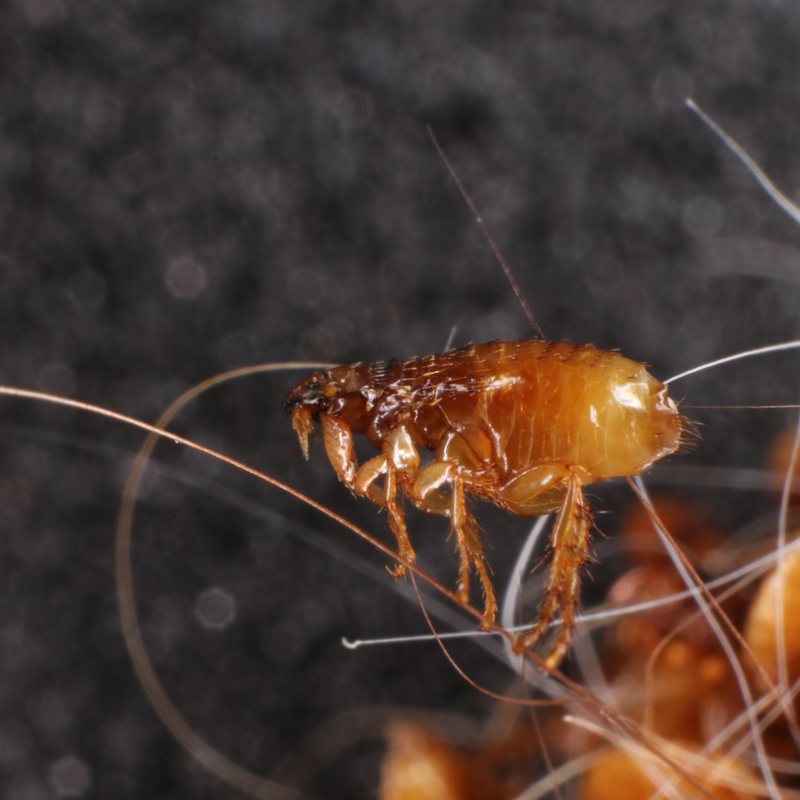
Bartonella grahamii
The Bartonella grahamii pathogen is a bacterium and belongs to the Bartonella genus

Bartonella koehlerae
Bartonella koehlerae are bacteria of the Bartonella genus. They are described as a human pathogen that can cause culture-negative endocarditis
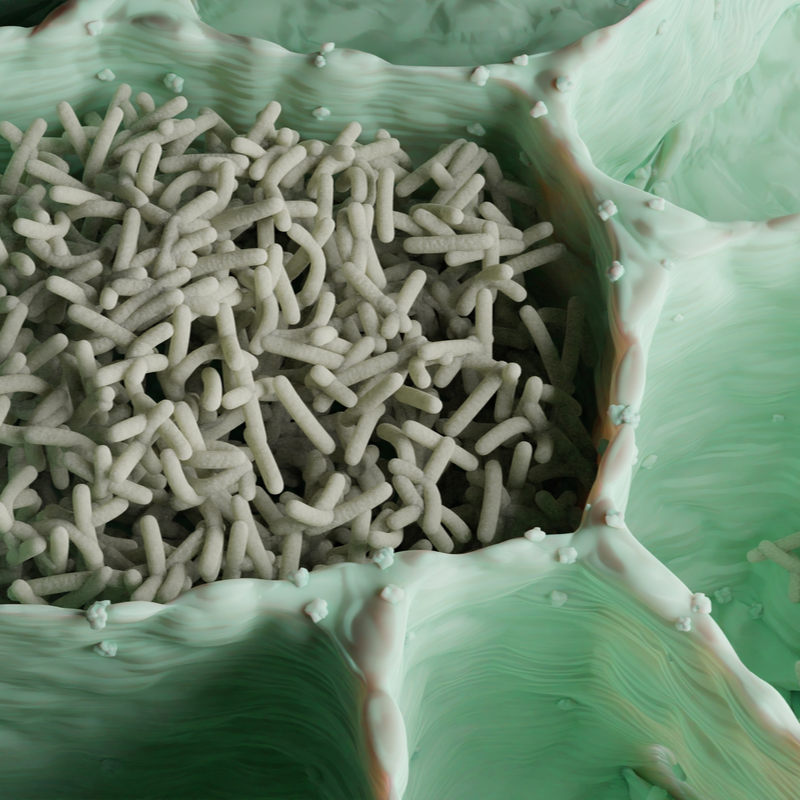
Bartonella melophagi
The Bartonella melophagi pathogen belongs to the species of Bartonella bacteria. These are gram-negative, intracellular bacteria that are transmitted by vectors.
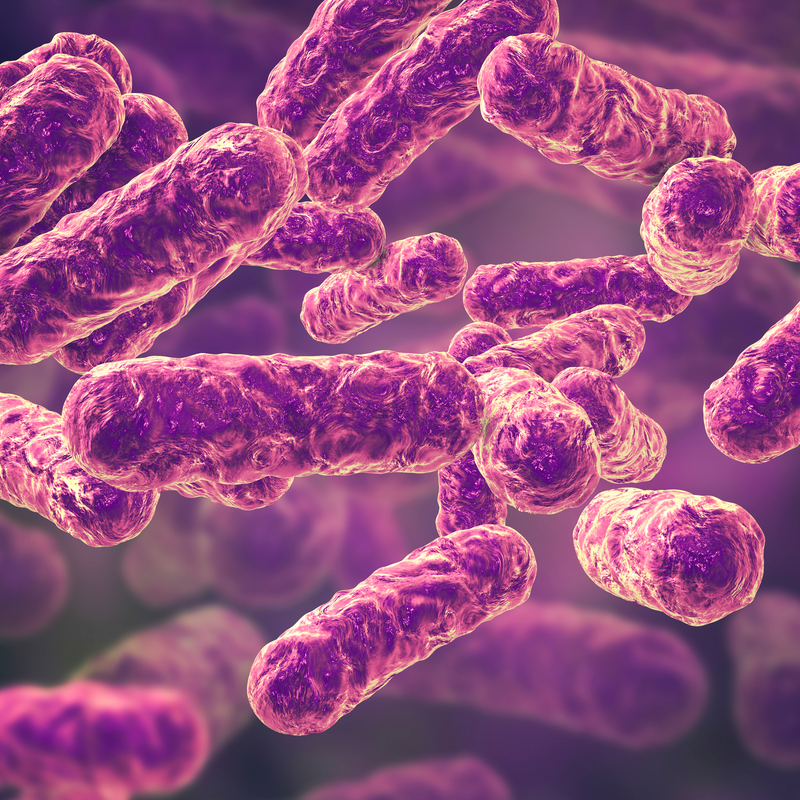
Bartonella quintana
The Bartonella quintana pathogen is from the Bartonella genus and is a gram-negative bacterium. The bacterium is considered the causative agent of trench fever and is widespread worldwide
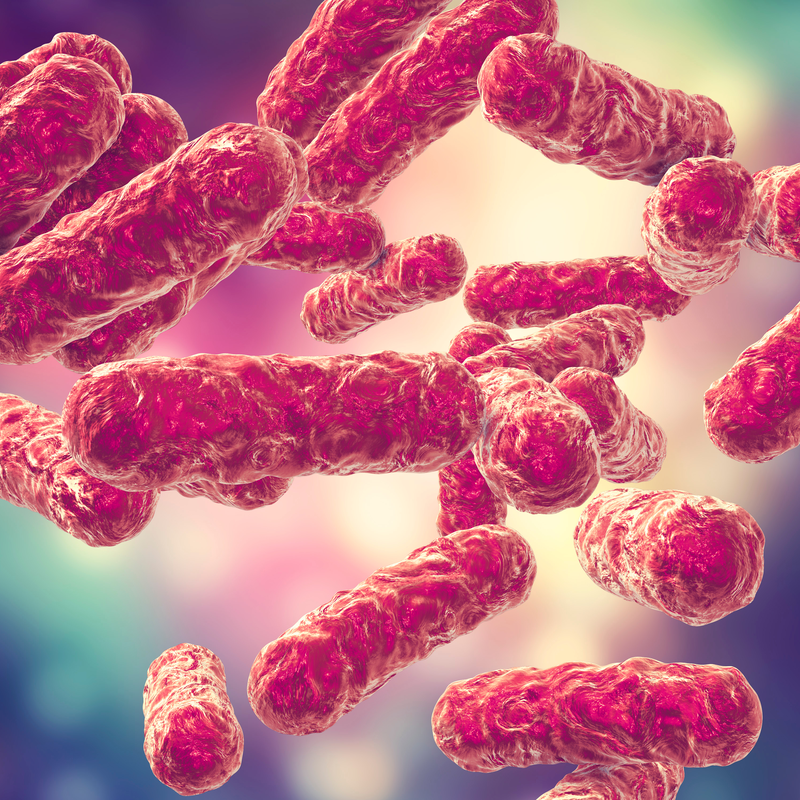
Bartonella rochalimae
Bartonella rochalimae belongs to the genus Bartonellaceae and is a gram-negative bacterial species
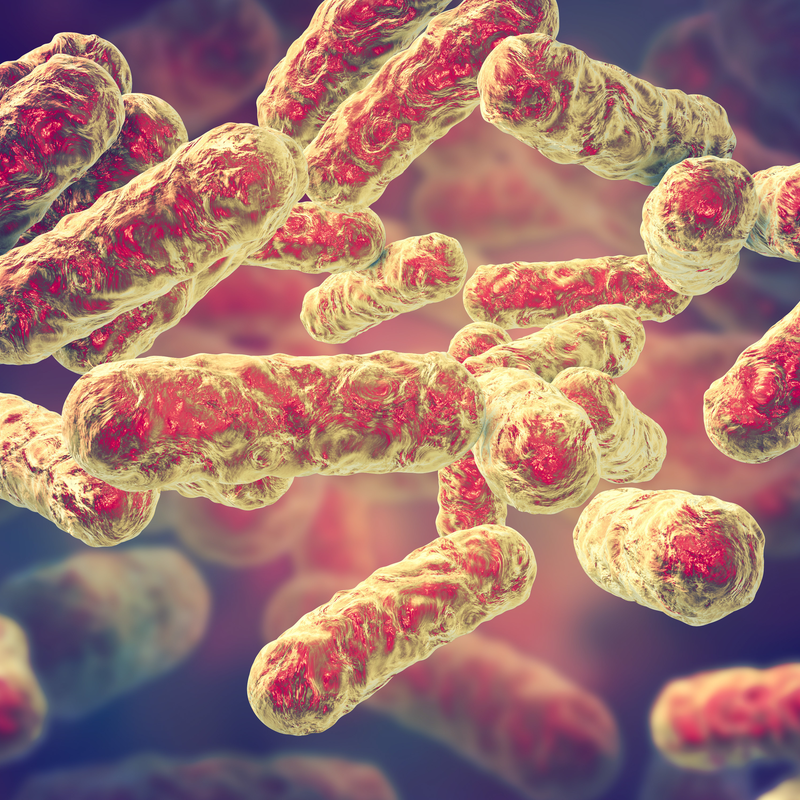
Bartonella schoenbuchensis
Bartonella schoenbuchensis comes from the Bartonella genus and is a bacterium. The pathogen was isolated from the so-called red deer seed (Lipoptena cervi)
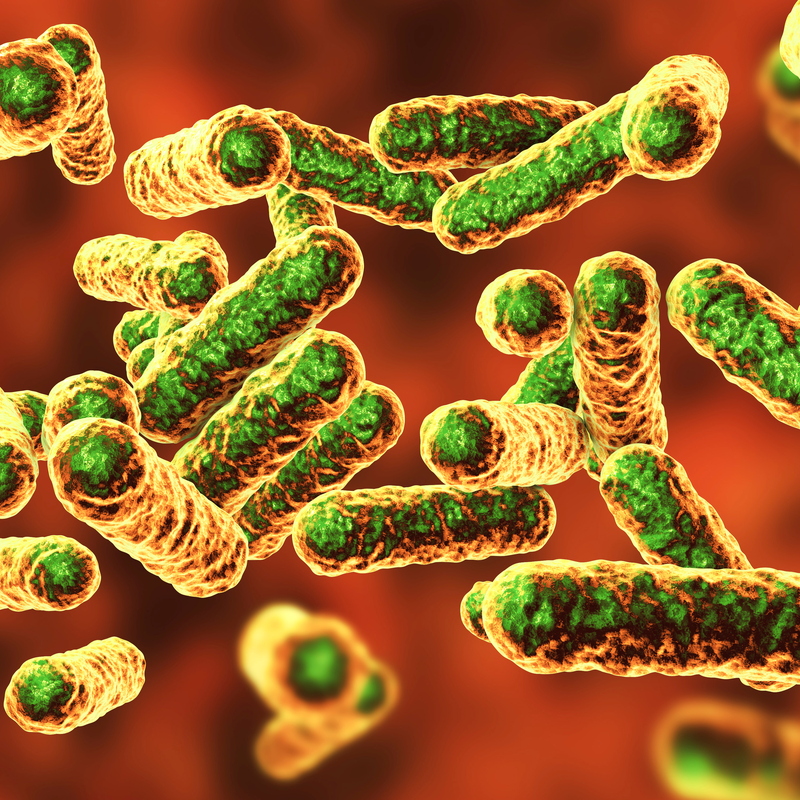
Bartonella tamiae
The Bartonella tamiae pathogen belongs to the Bartonella genus. It is a gram-negative, rod-shaped bacterium that lives like a parasite inside a host cell
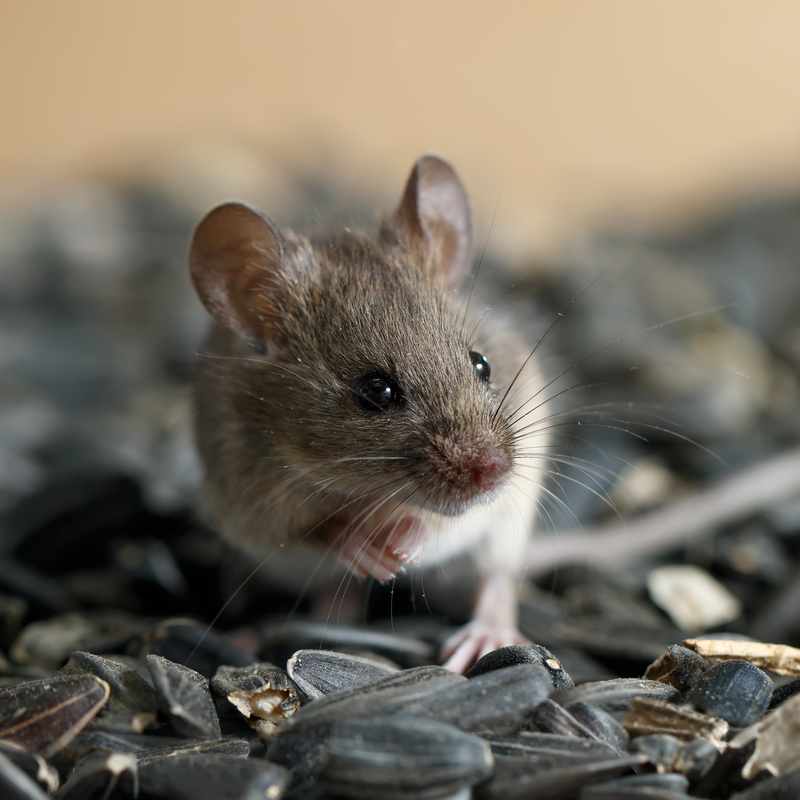
Bartonella taylorii
Bartonella taylorii belongs to the Bartonella genus and is a bacterium. Like other Bartonella species, the Bartonella taylorii pathogen can also cause diseases in animals
Bartonella weisii
The Bartonella weisii pathogen is more commonly known today as Bartonella bovis. It is a pathogenic bacterium that belongs to the Bartonella genus
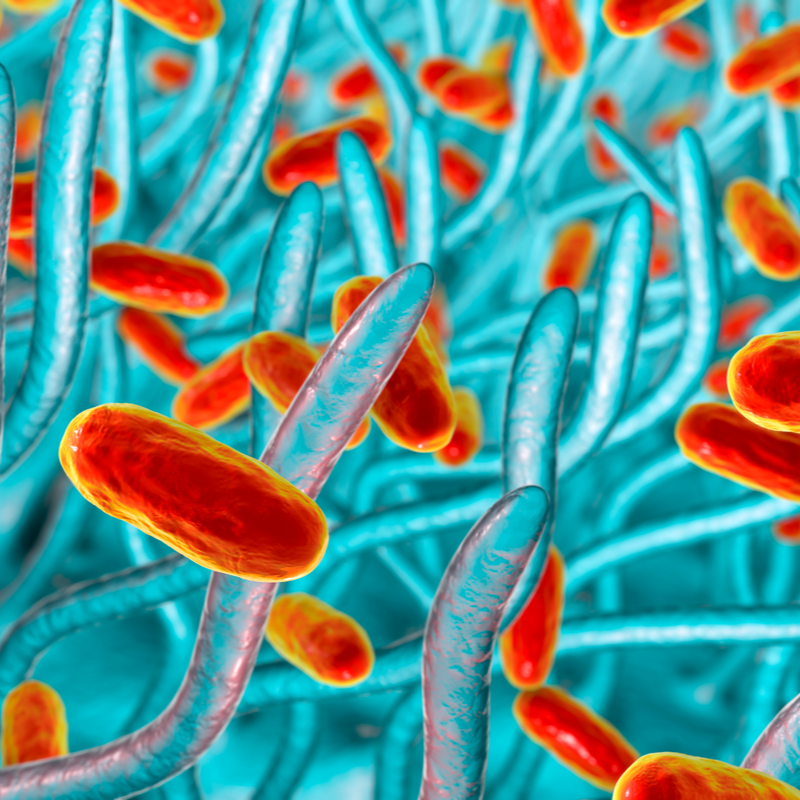
Bordetella parapertussis
Bordetella parapertussis is a bacterium from the genus Bordetella. These are small, gram-negative rods that are aerobic, i.e. require oxygen for their reproduction

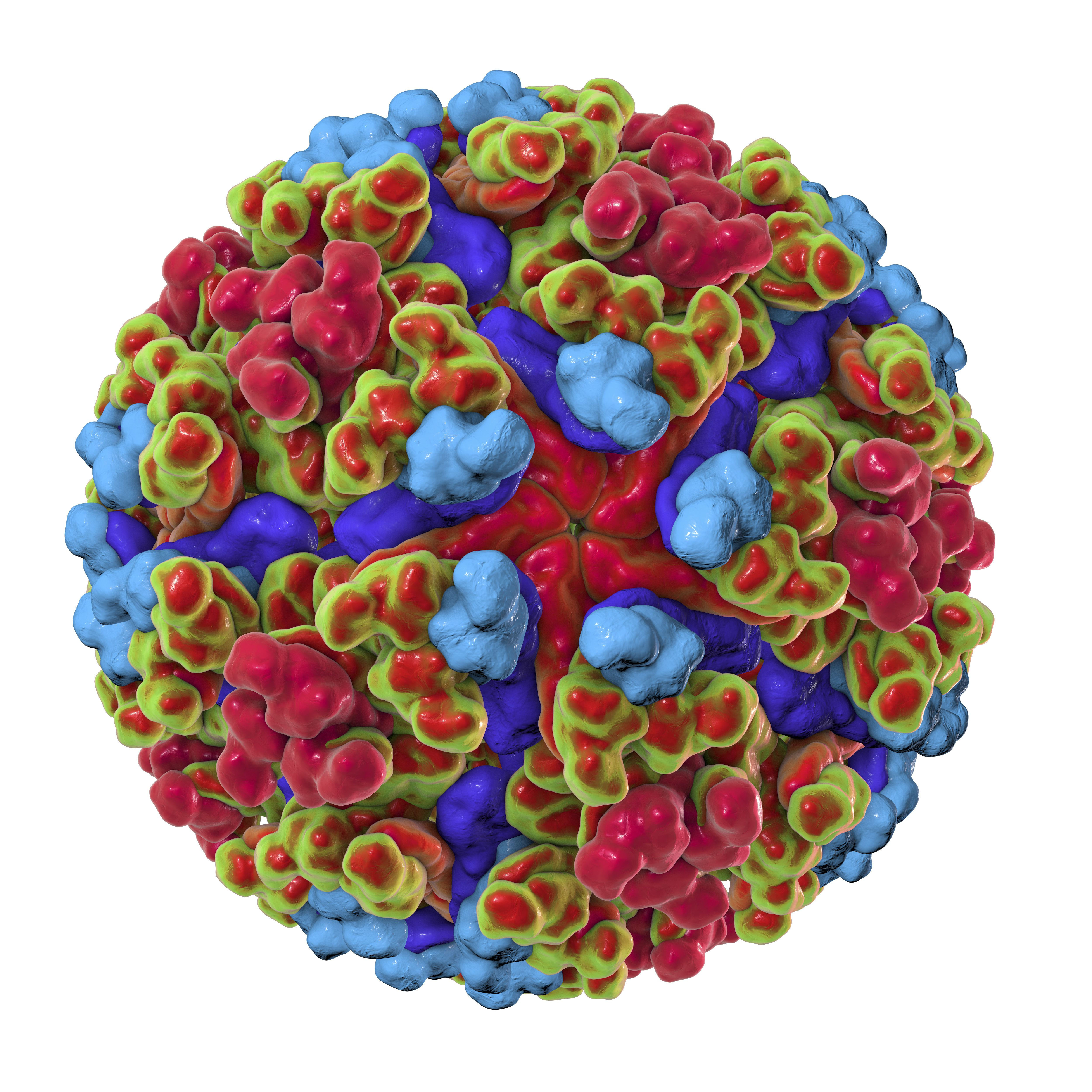
Chikungunya virus
The Chikungunya virus, or CHIK virus for short, is a febrile infection that is classified as a so-called travel disease
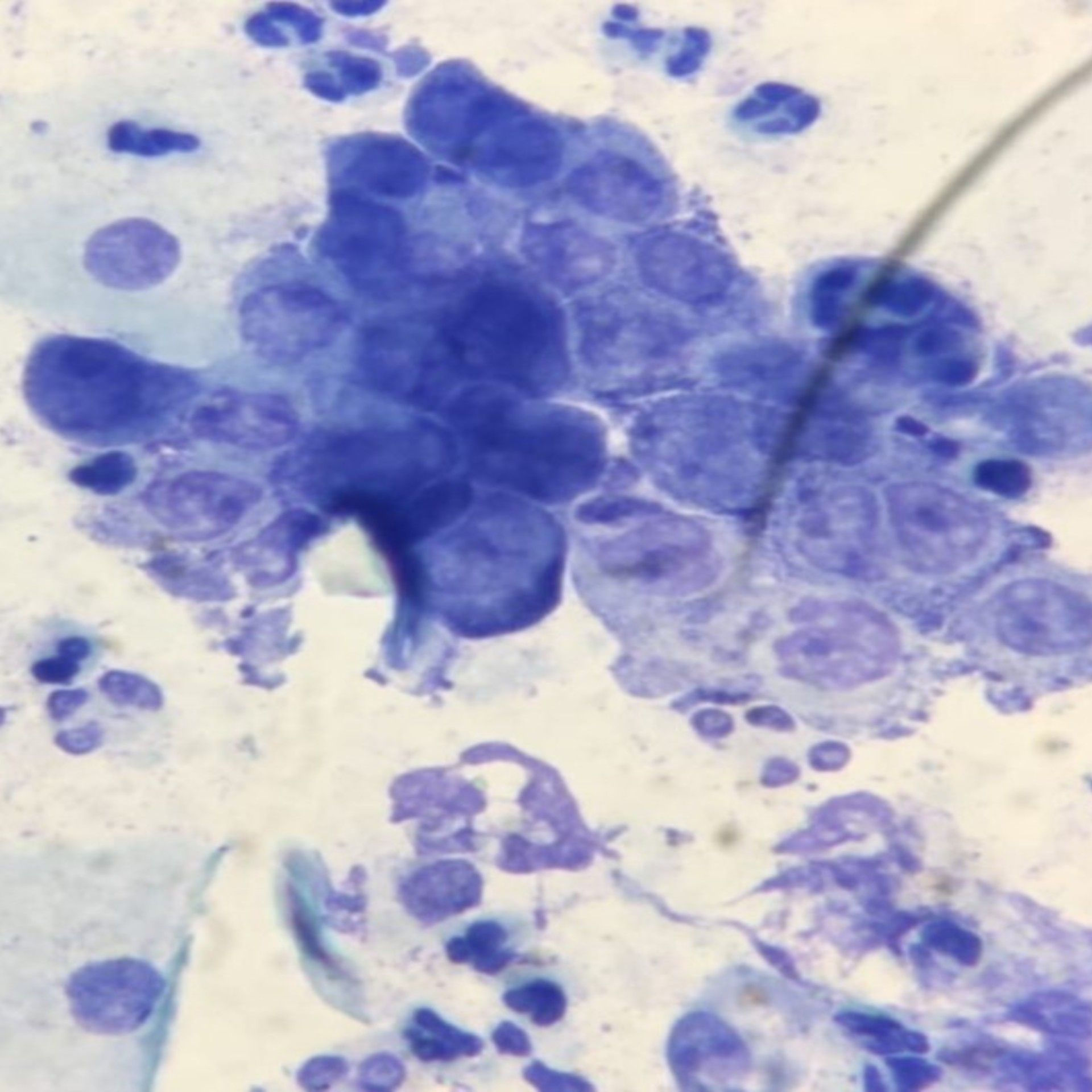

Citrobacter
Citrobacter spp. belong to the genus of gram-negative, anaerobic rod bacteria, which come from the Enterobacteriaceae family.
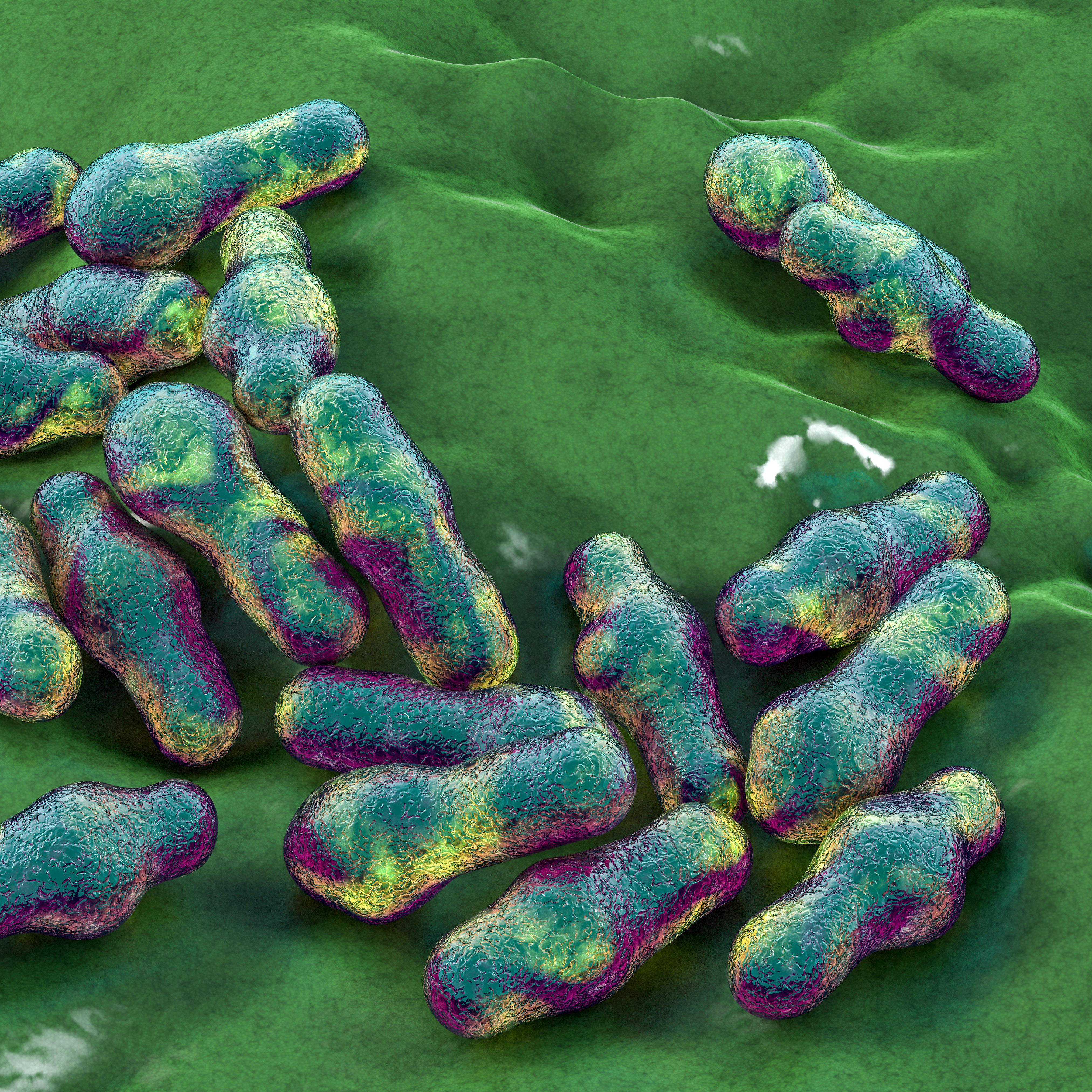
Clostridium acetobutylicum
Clostridium acetobutylicum is a gram-positive bacterium belonging to the genus Clostridia.
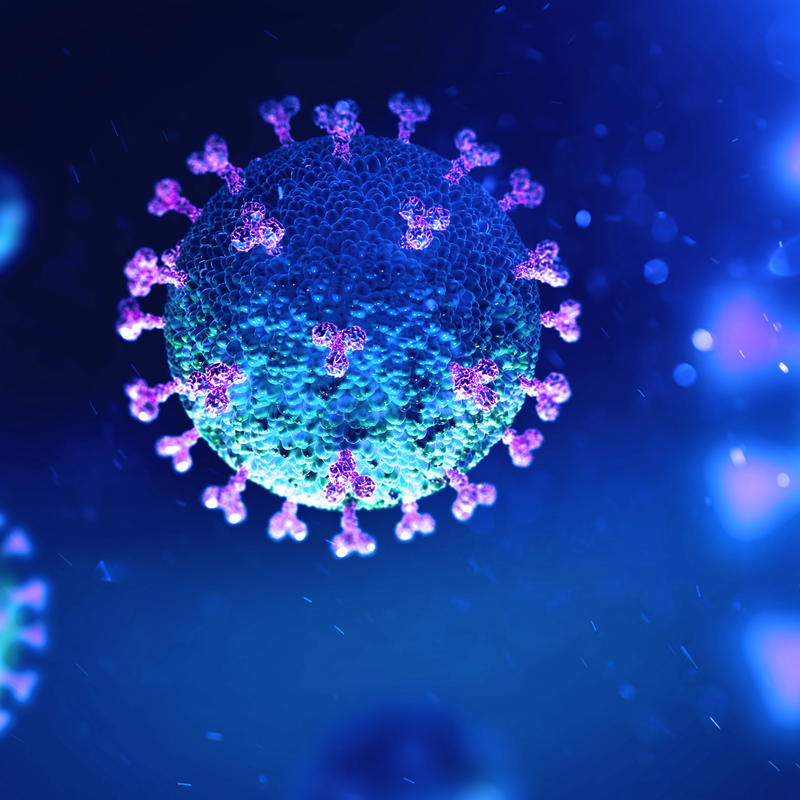
COVID19 (coronavirus)
The virus owes its name to its wreath-shaped appearance; in Latin, corona means wreath.
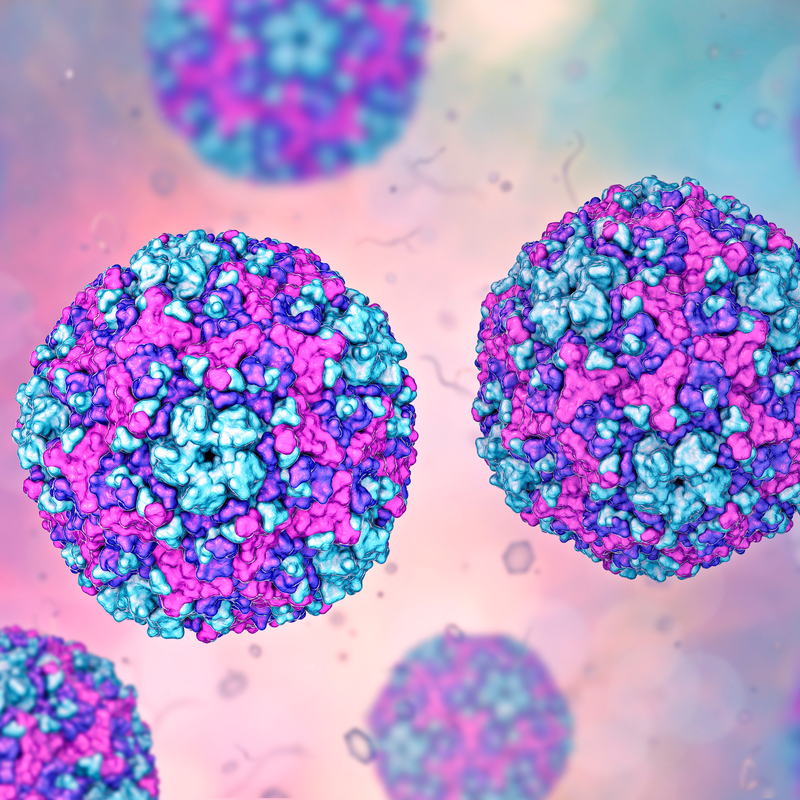
Coxsackie B3 virus
The Coxsackie B3 virus is one of the globally distributed viruses that belong to the picornavirus family.
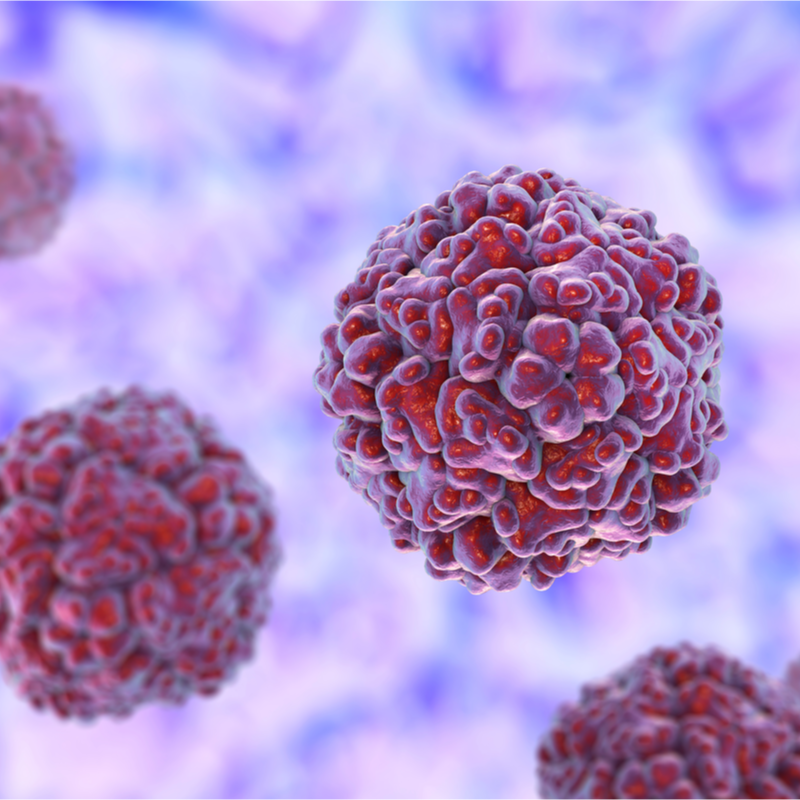
Coxsackie B4 virus
The Coxsackie B4 virus is a single-stranded RNA virus that belongs to the picornavirus family. The virus is the cause of diseases such as meningitis, myocarditis and colds.
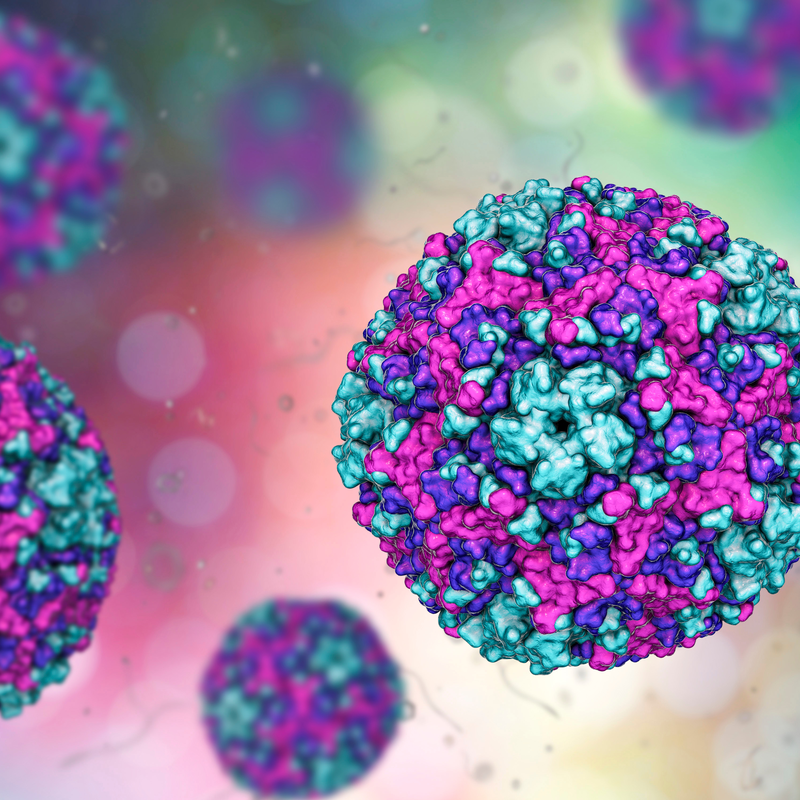
Coxsackie B5 virus
The Coxsackie B5 virus belongs to the family of single-stranded RNA viruses and to the picornaviruses. This also includes the hepatitis A virus
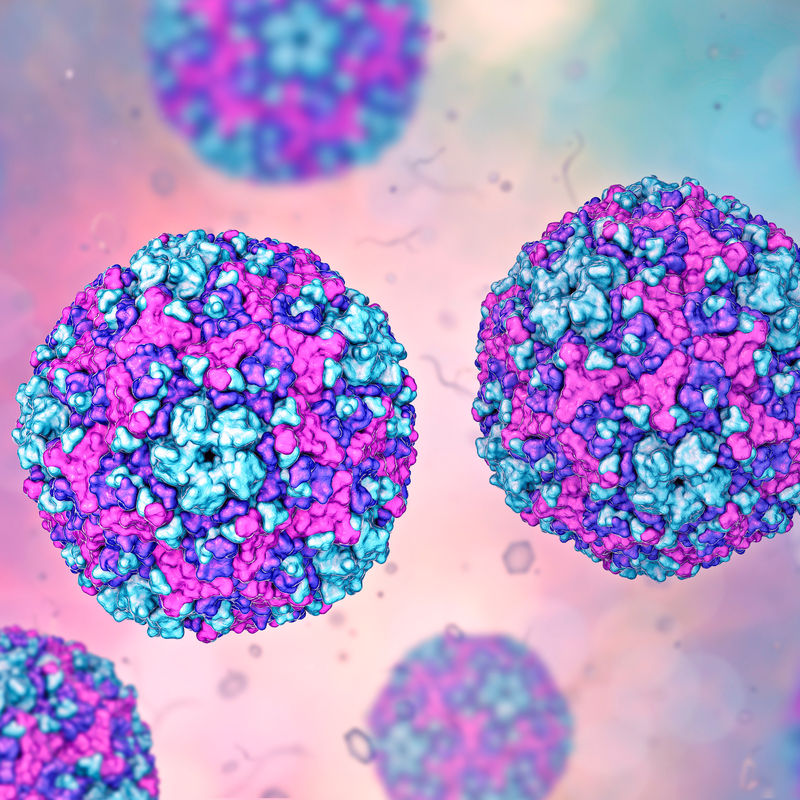
Coxsackie B6 virus
The Coxsackie B6 viruses, like the hepatitis A virus, belong to the picornavirus family. They are single-stranded RNA viruses and belong to the enterovirus genus

Craniopharyngeoma
A craniopharyngeoma is a tumour that usually develops in the area of the stalk of the pituitary gland.
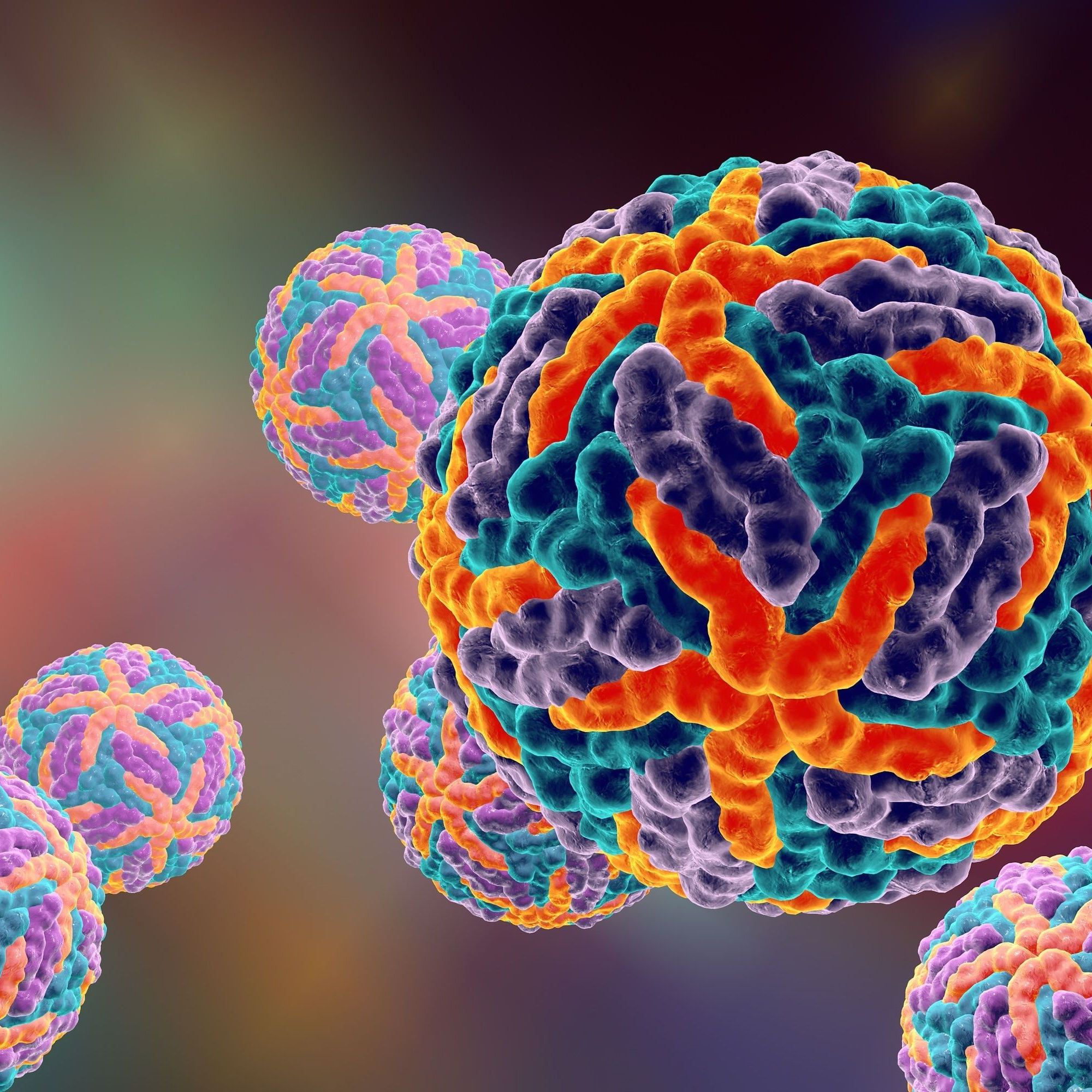
Dengue virus
Dengue virus is a virus that can cause haemorrhagic fever, dengue fever, in both humans and primates
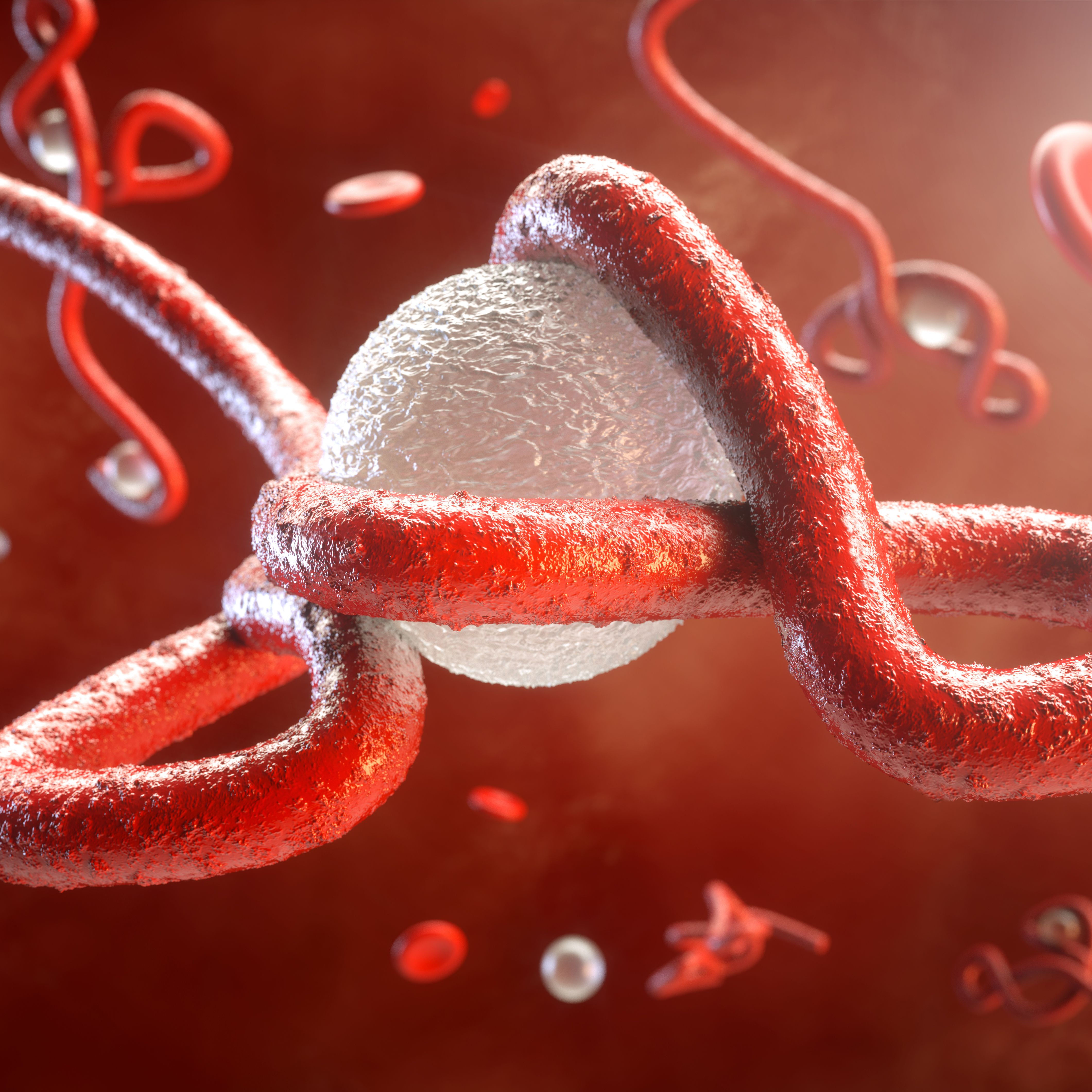
Ebola virus
The Ebola virus is one of the most dangerous viruses in the world. The Ebola virus causes a severe haemorrhagic fever and an increased tendency to bleed.
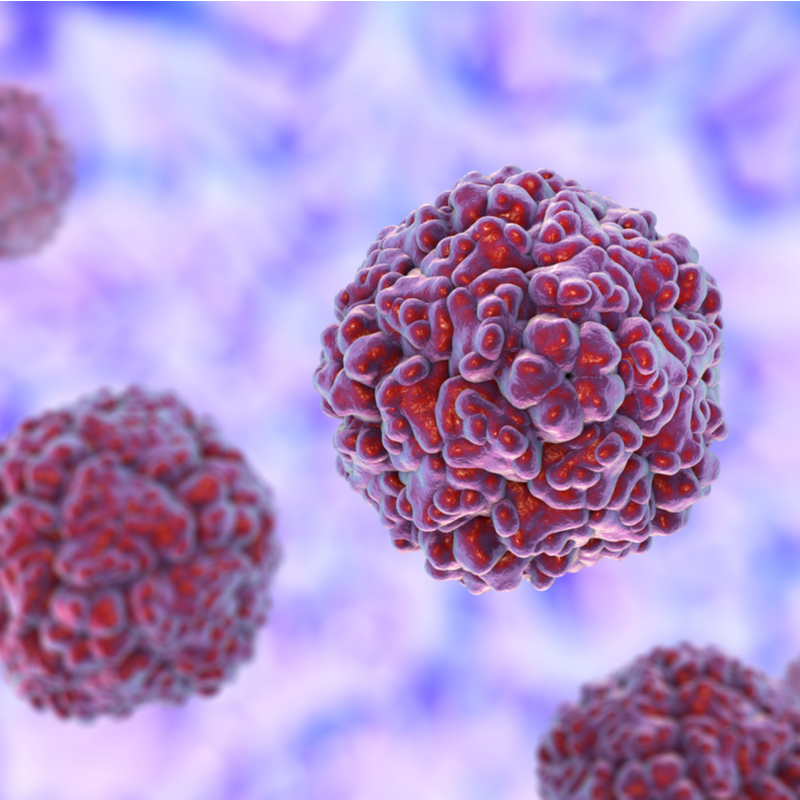
Echo Virus
Echoviruses belong to the enterovirus family, which mainly cause skin rashes, gastrointestinal infections, neurological and flu-like symptoms and complaints.
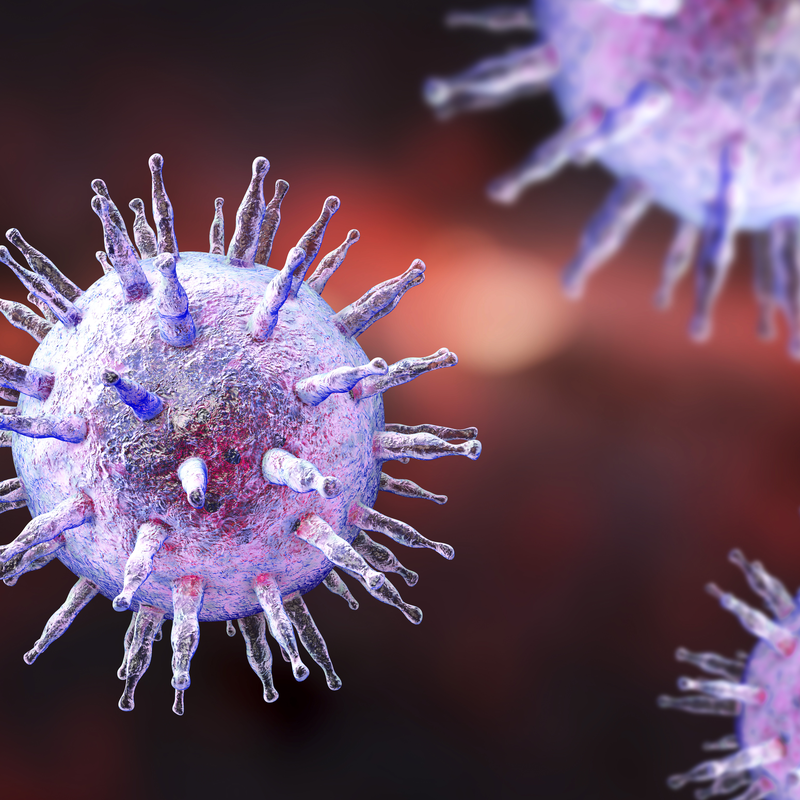
Epstein-Barr virus
The Epstein-Barr virus belongs to the family of herpes viruses and is the virus that causes the so-called Pfeiffer's glandular fever.

Exanthema subitum
Exanthema subitum is also called three-day fever. This is a usually harmless infection with the human herpes virus 6, or HHV-6 for short, and the human herpes virus 7, or HHV-7 for short.
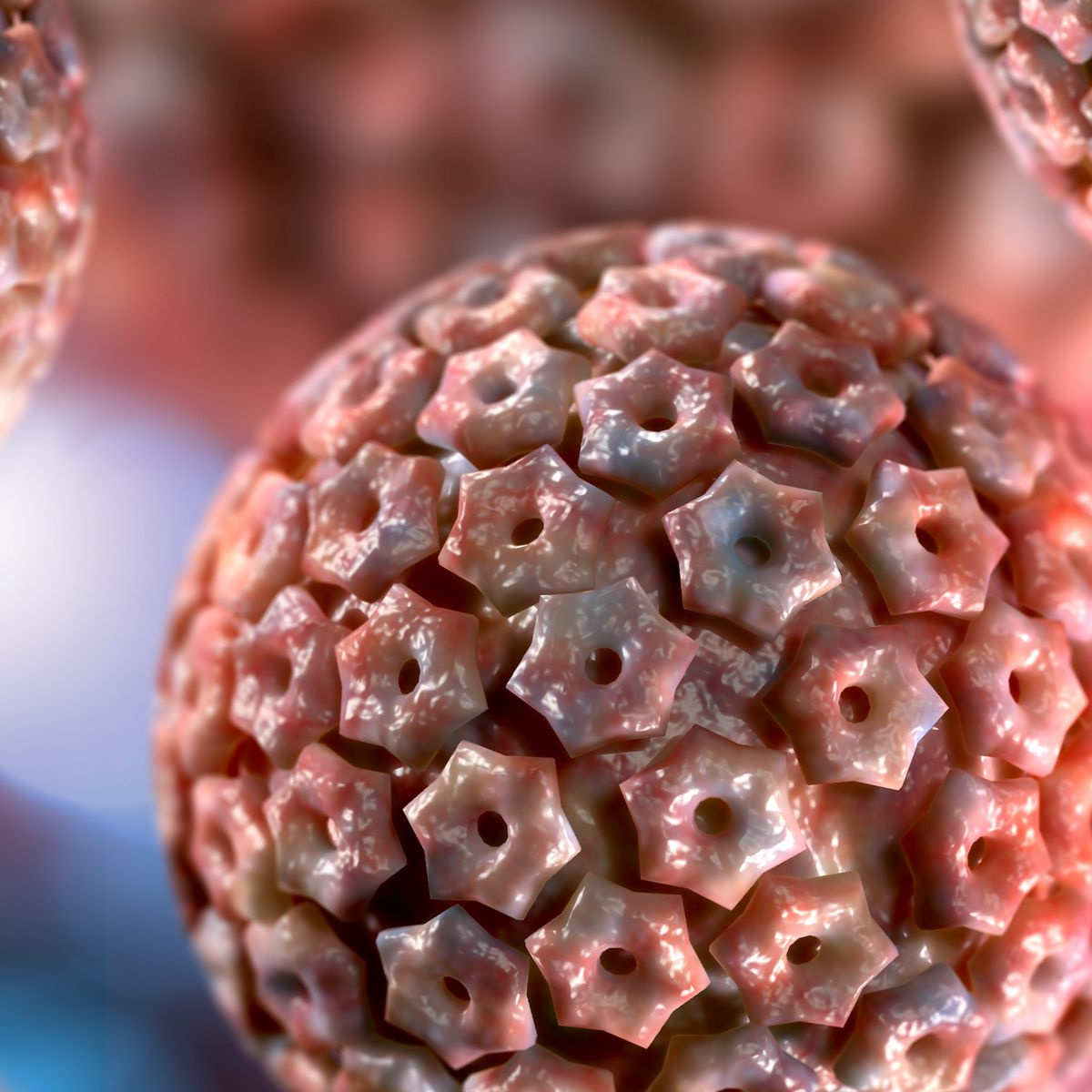
Genital herpes
Genital herpes is also often called "intimate herpes", "penile herpes" or "vaginal herpes" in men and women.
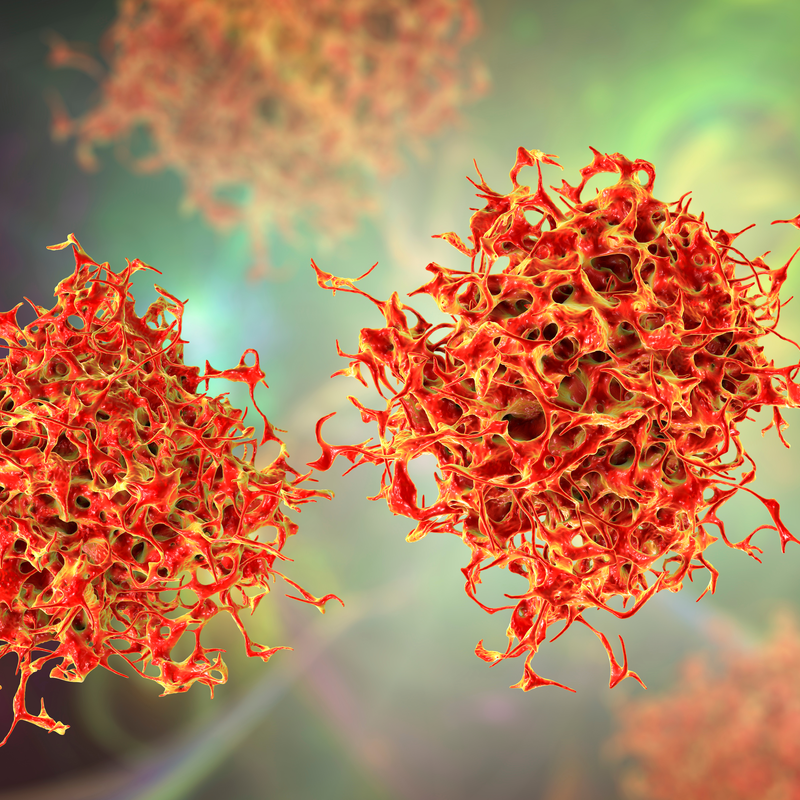
Germ cell tumour in men
This type of tumour is the most common in young men, with an increasing incidence in western industrialised countries.
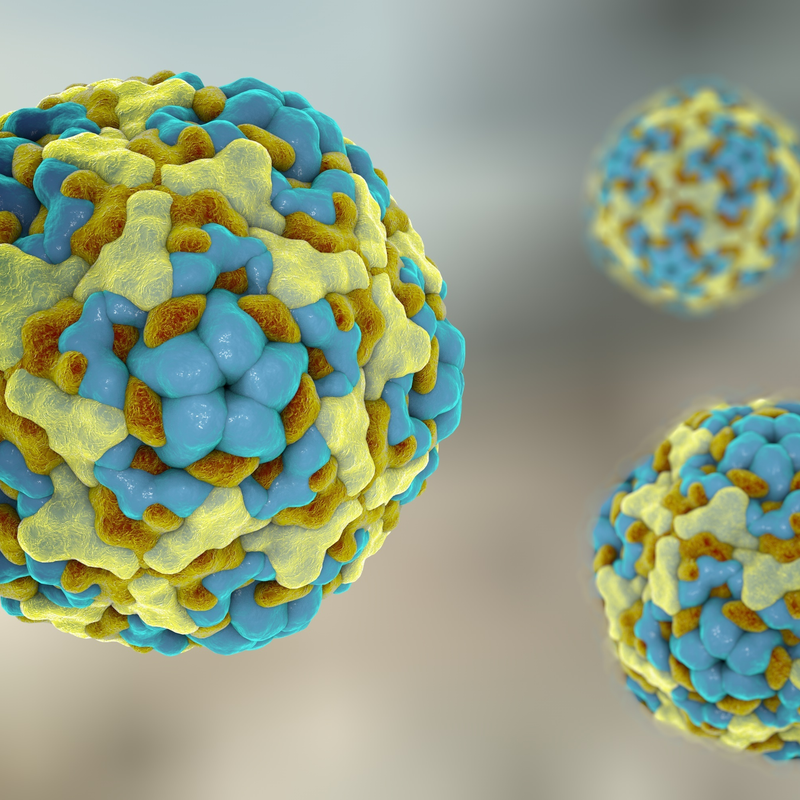
Hand-foot-mouth syndrome
As a rule, hand-foot-and-mouth syndrome is a harmless, yet highly infectious viral infection. Children under the age of ten are particularly affected.

Herpes Simplex Type 1 (HHV-1)
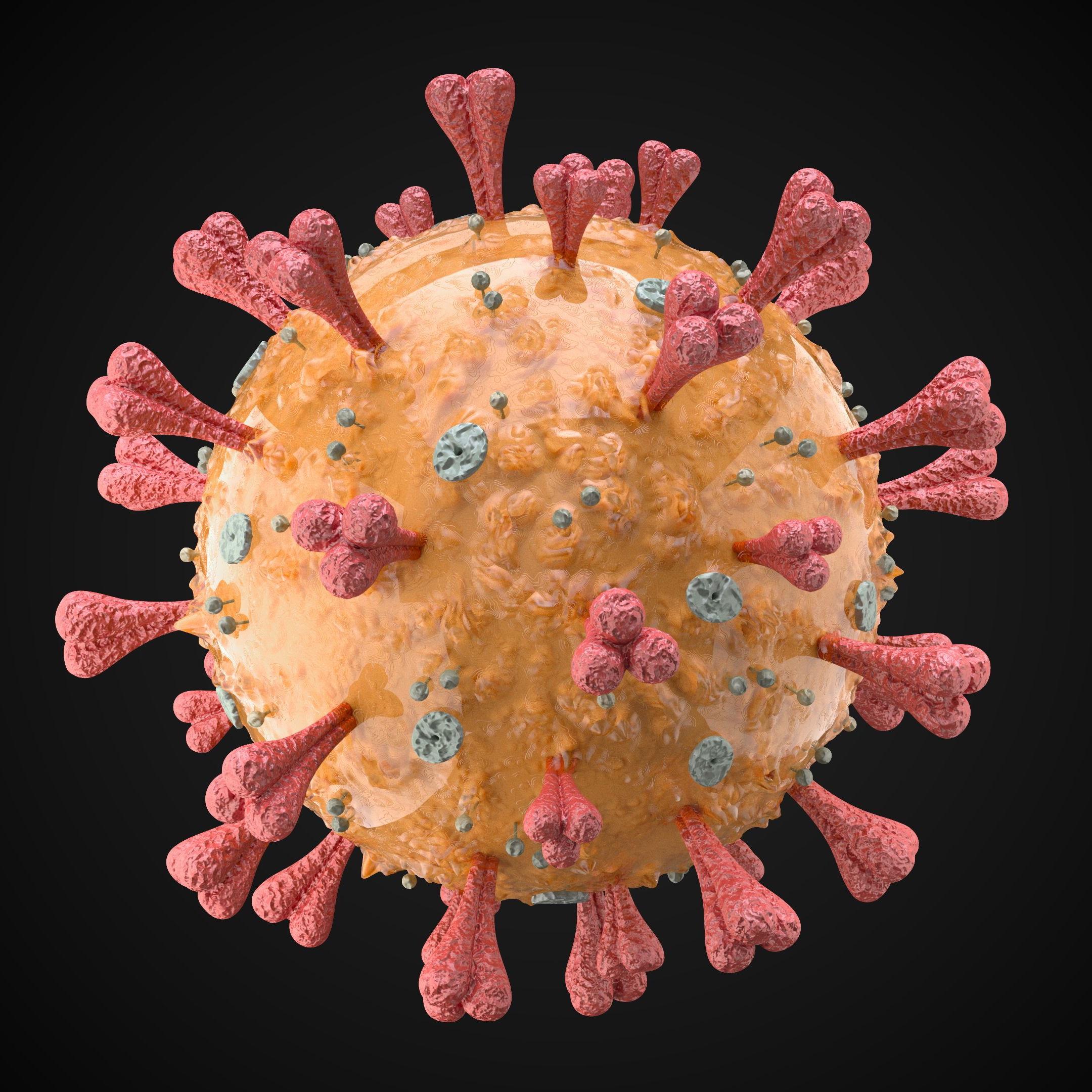
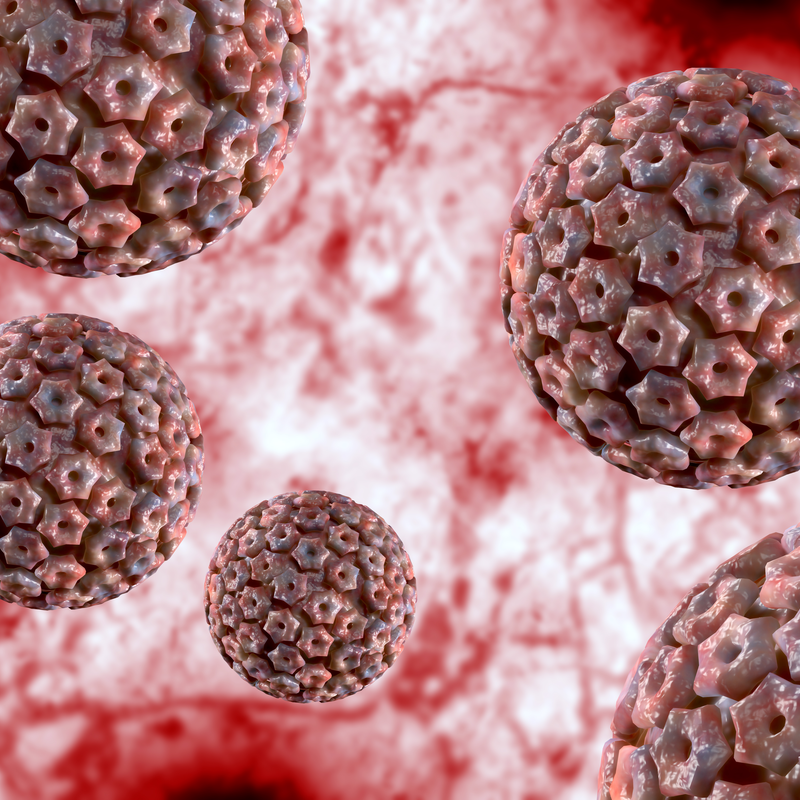
The herpes simplex virus type 1 is a so-called DNA virus and belongs to the herpes virus family.
Herpes Simplex Type2 (HHV-2)
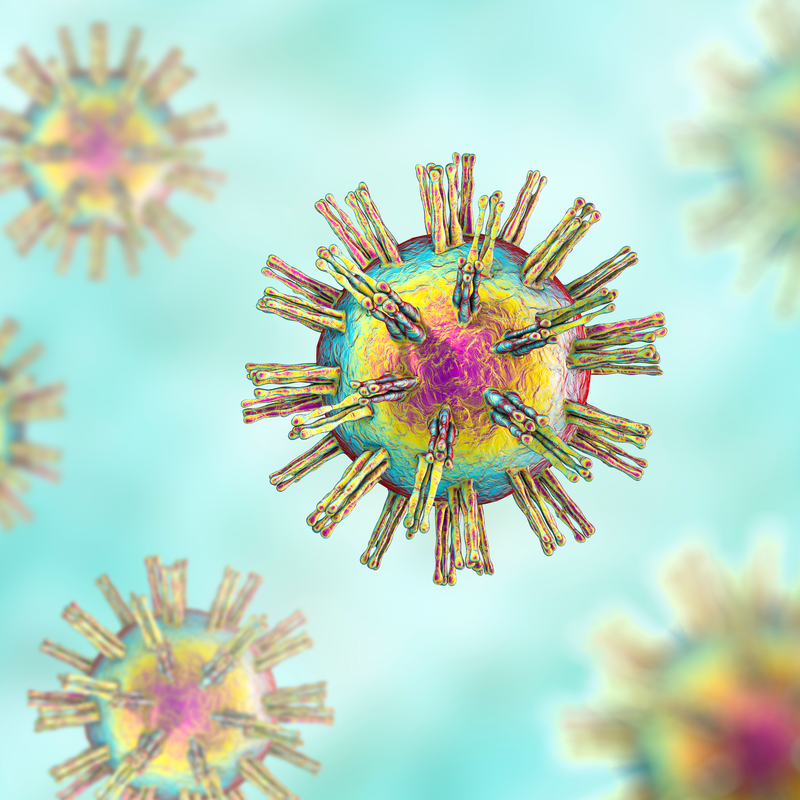
The herpes simplex virus type 2 belongs to the herpes virus family and is a so-called DNA virus
Herpes virus type 6
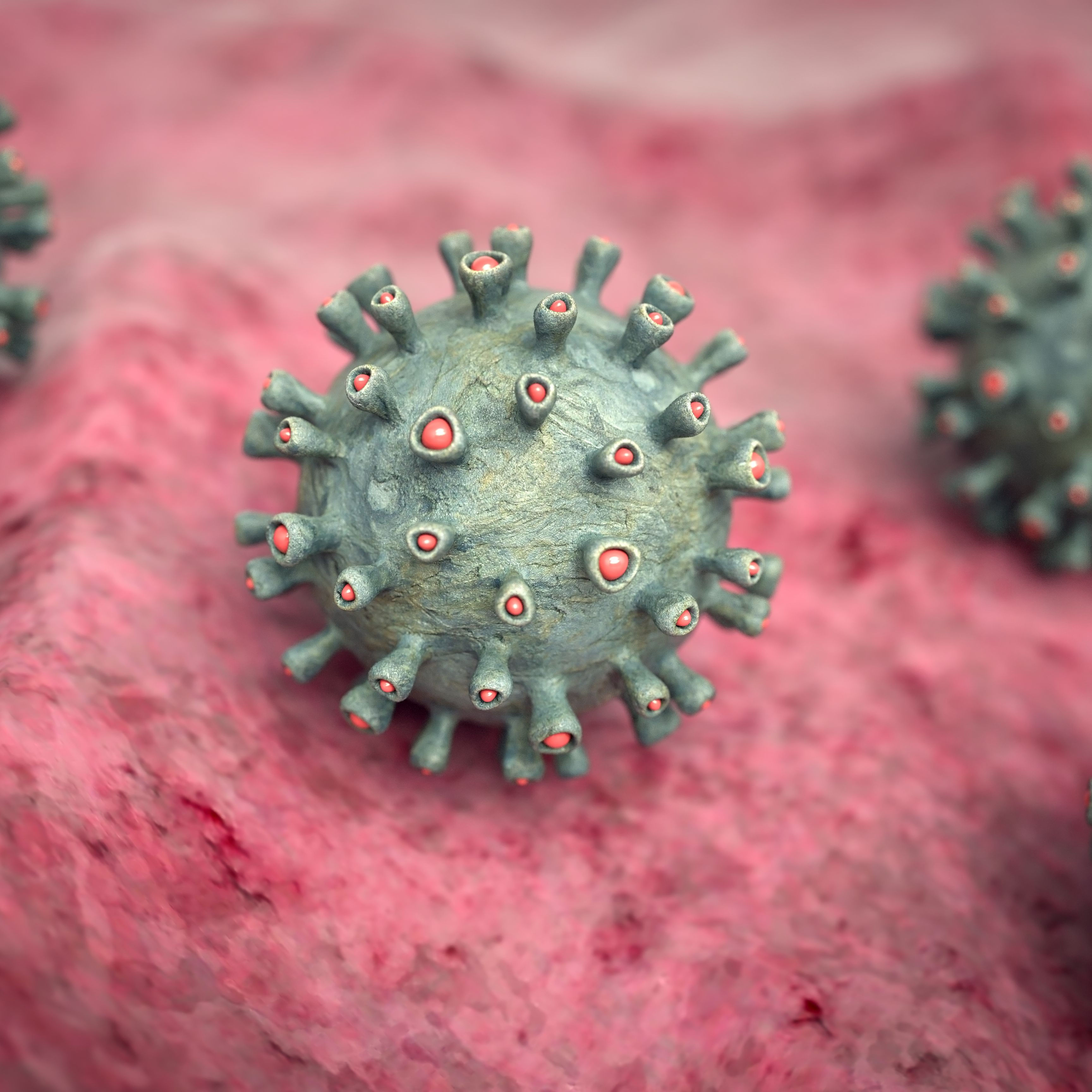
Human herpesvirus type 6, HHV-6 for short, is a herpesvirus of the beta-herpesviruses.
Herpes zoster
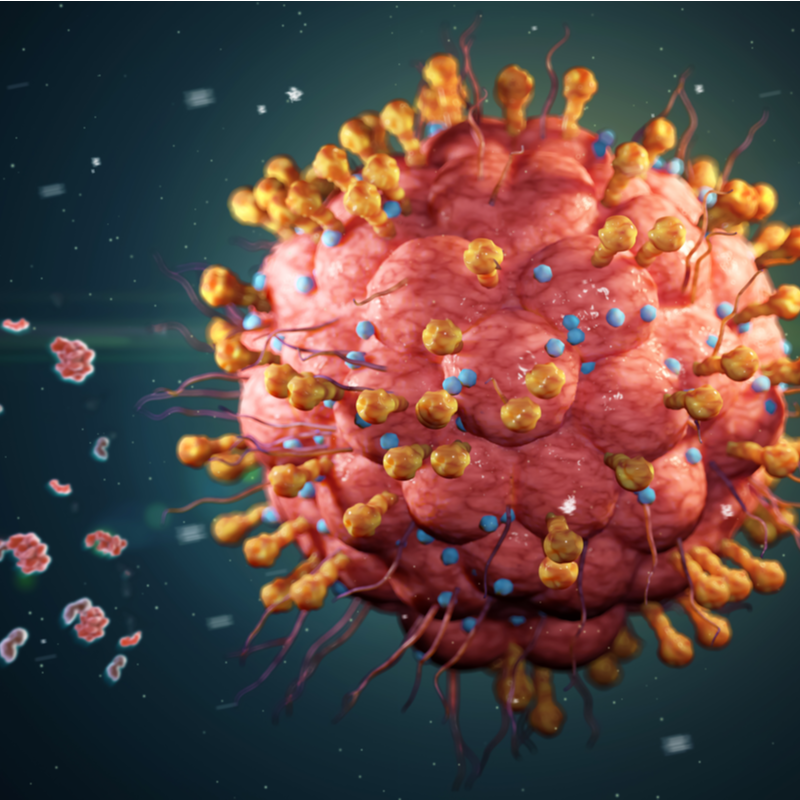
Herpes zoster, also known colloquially as shingles, is a viral disease caused by the varicella zoster virus (VZV)