
Knowledge in frequency therapy
The use of frequency therapy has become increasingly relevant in recent years and is now being used successfully in various areas of application.
However, a thorough knowledge base is of great significance in order to be able to use this form of therapy effectively.
For this reason, we have compiled a large number of fascinating articles on the topic of frequency therapy for you in this blog.
Use this resource to expand your knowledge of frequency therapy and benefit from the insights of other experts.
For our members, we have also provided exclusive additional information for each article.
explore the realm of frequency therapy and let our articles inspire you.
Filter products
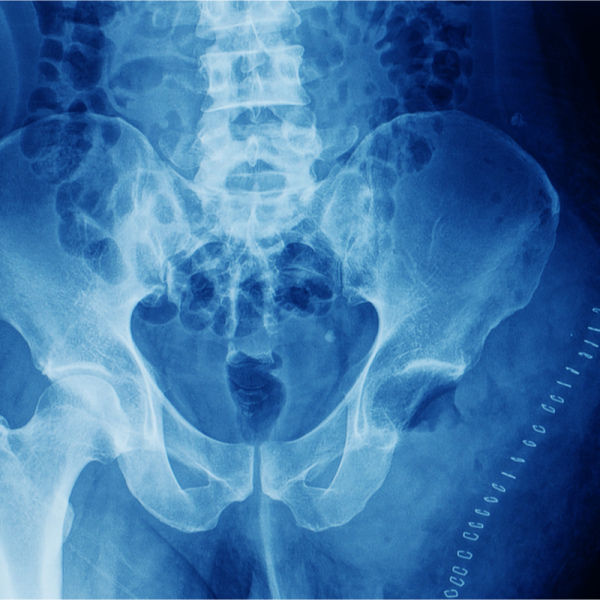
Chondrosarcoma
A chondrosarcoma is a malignant bony tumour that arises from embryonic or mature cartilage tissue and develops mainly in the pelvis, hip or shoulder.
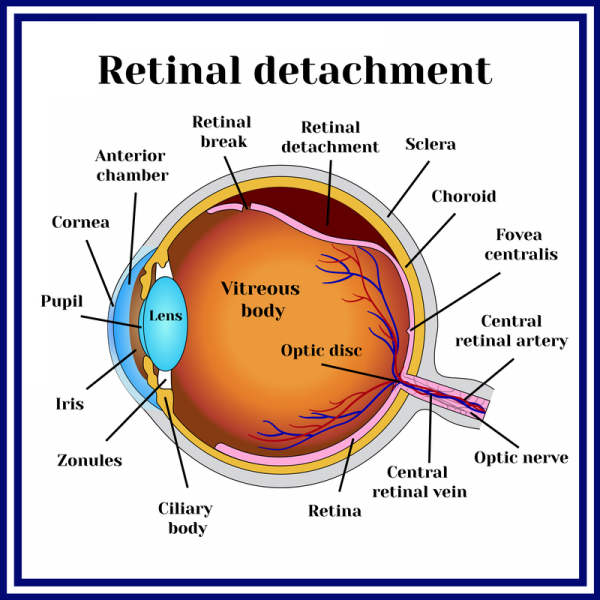
Choroidal melanoma
A choroidal melanoma (malignant uveal melanoma) is a rare, malignant eye tumour that has developed directly in the eye and almost always develops on one side only.

Chronic fatigue syndrome (CFS)
Chronic fatigue syndrome is a severe neuroimmunological disease that often leads to a high degree of physical disability.

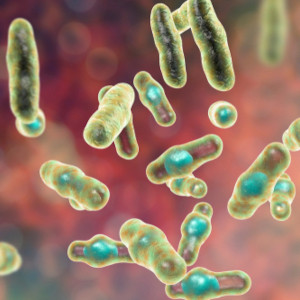
Clostridium difficile
Clostridium difficile is always a topic of discussion, no wonder, since Clostridium difficile is already in fifth place among the most common hospital germs.

Cowden syndrome
Cowden syndrome (CS) is a hereditary disease of the skin and mucous membranes (so-called genodermatosis).
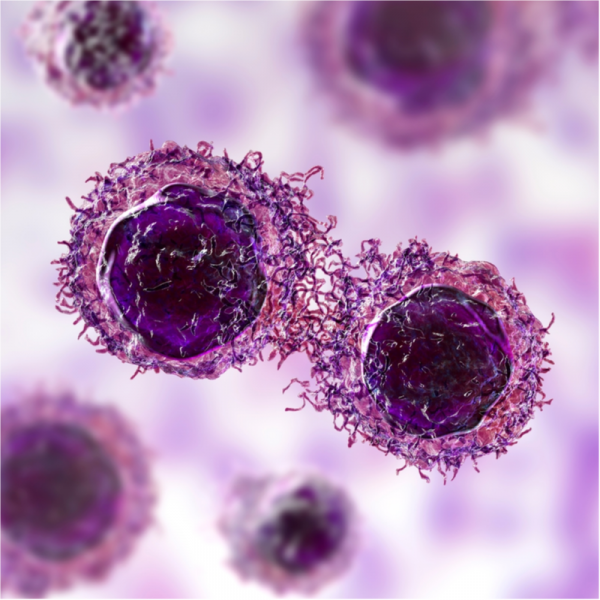
CUP syndrome
The CUP syndrome comes from the English and stands for "Cancer of Unknown Primary". In German, CUP therefore means something like "cancer with unknown primary tumour".
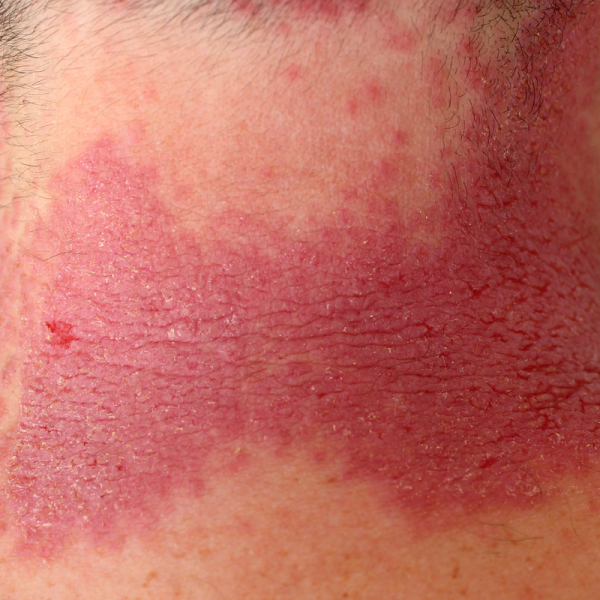
Darier's disease
Darier's disease is also called dyskeratosis follicularis and describes a rare hereditary skin disease caused by a chromosomal mutation.
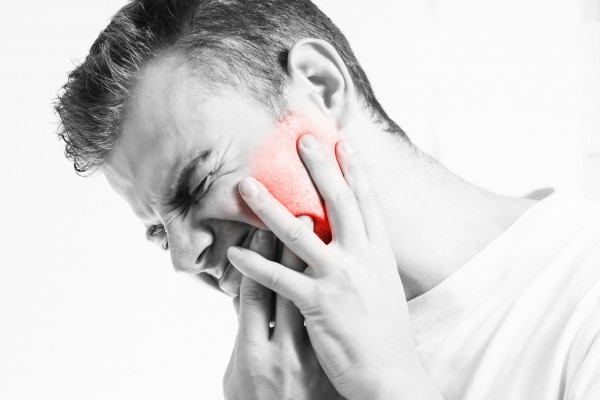
Dentigerous cyst
A dentigerous cyst is a fluid-filled sac that forms in the jawbone or soft tissue. The dentigerous cyst usually develops over an unerupted or partially erupted tooth.

Dercum disease
Dercum's disease is also known as adipositas dolorosa and describes a very rare chronic form of obesity
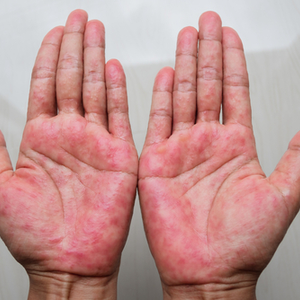
Dermatitis
Dermatitis is an inflammatory skin reaction that indicates a disturbed skin barrier. It can be triggered by both internal and external stimuli.

Desmoid tumour
A desmoid tumour belongs to the group of fibromatoses, which form on the muscle sheaths (the so-called muscle fasciae).
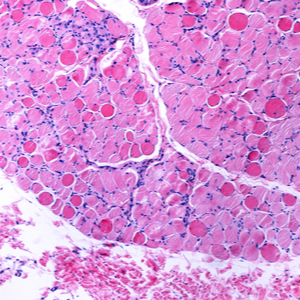
Duchenne muscular dystrophy
Duchenne muscular dystrophy is an inherited muscle disease that usually becomes apparent in early childhood and subsequently leads to muscle weakness.

Endometriosis
Endometriosis is a widespread abdominal disease in women. In this case, there is an accumulation of tissue outside the uterus, the so-called "endometriosis foci".

Ependymoma
An ependymoma is a rather rare tumour that develops either in the brain (glioma) or in the spinal cord. It originates from the ependymal cells, i.e. the ventricular system of the inner brain chambers and the central canal of the spinal cord.
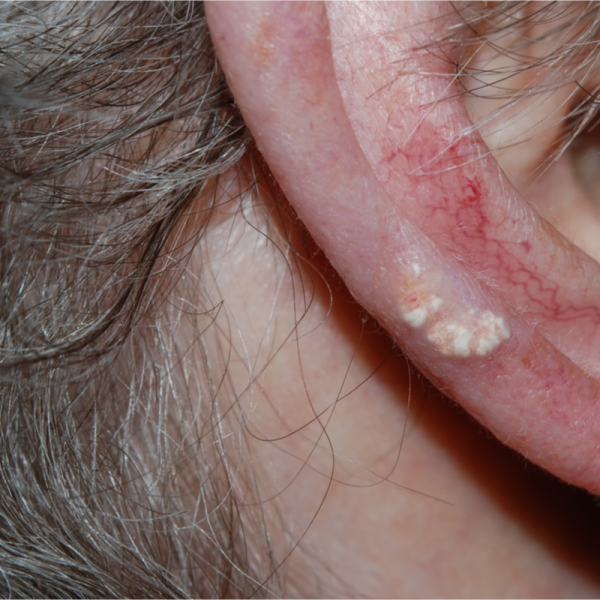
Epithelioma Malignant
An epithelioma, also called an epithelial cyst, is a malignant skin tumour that develops from the tissue layer of the skin or mucous membrane called the epithelium.
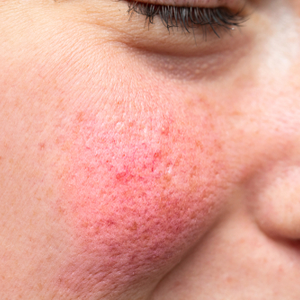
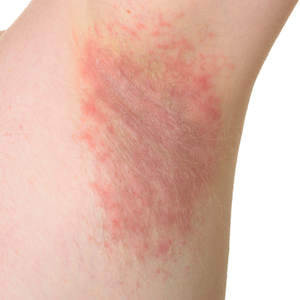
Erythrasma
Erythrasma is a bacterial infection of the top layer of the skin, which is usually harmless and also known by the synonym bear jumping disease.
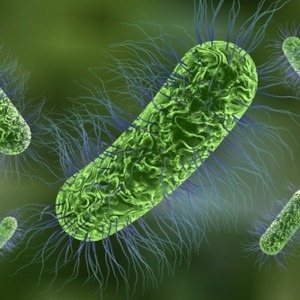
Escherichia coli bacteria
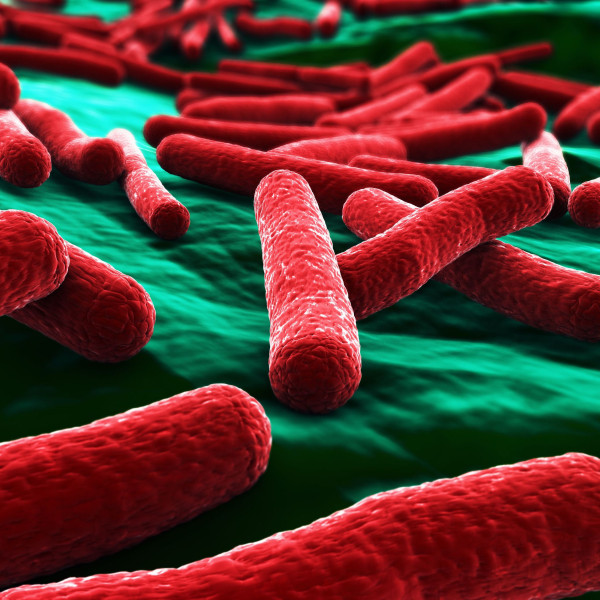
Escherichia coli bacteria are found in human and animal intestines worldwide.
Escherichia coli pathogen?
The Escherichia coli pathogen, also known as the coliform bacterium, is one of the best-known species of bacteria belonging to the Escherichia genus.
Ewing's sarcoma
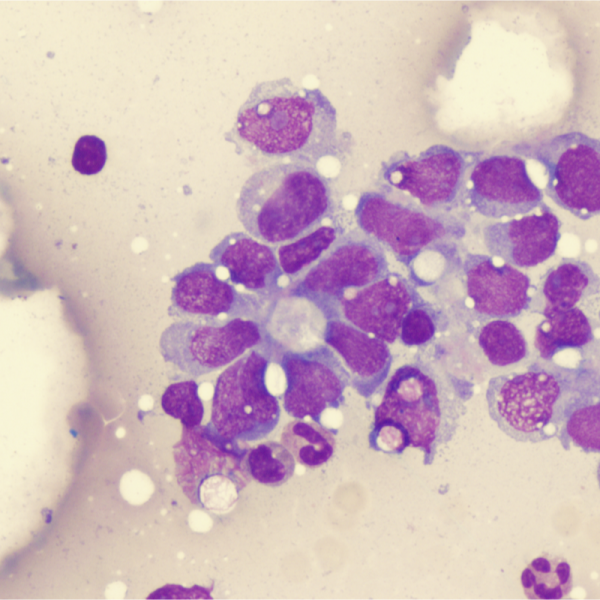
Ewing's sarcoma is a highly malignant form of bone cancer that is particularly common in children and adolescents up to the age of 15 and is the second most common malignant bone cancer in this group, followed by osteosarcoma.

Fibroadenoma
Fibroadenoma is a benign breast tumour consisting of glandular tissue (adenoma) and connective tissue (fibroma) that rarely grows larger than three centimetres.

Fibrocystic mastopathy
Fibrocystic mastopathy is the name given to a nodular proliferation of breast and connective tissue.
Fibromatosis
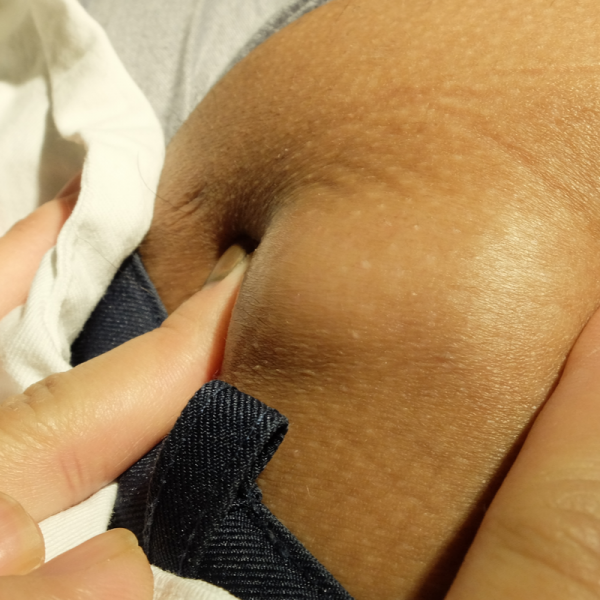
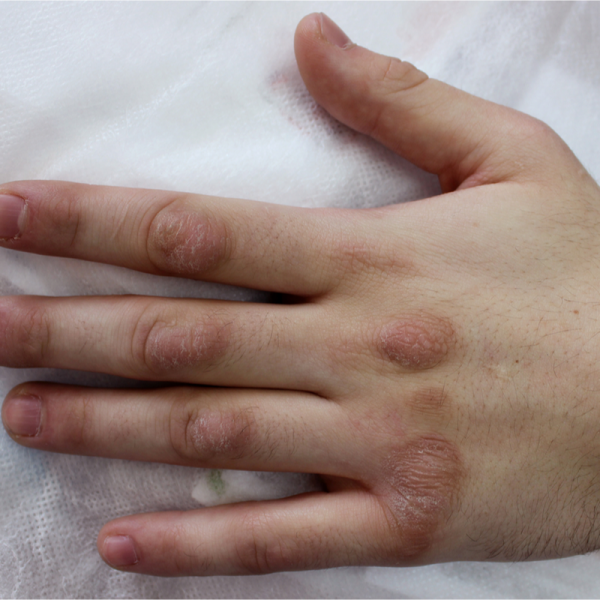
Fibromatosis is a skin outgrowth, or more precisely a benign growth of connective tissue.
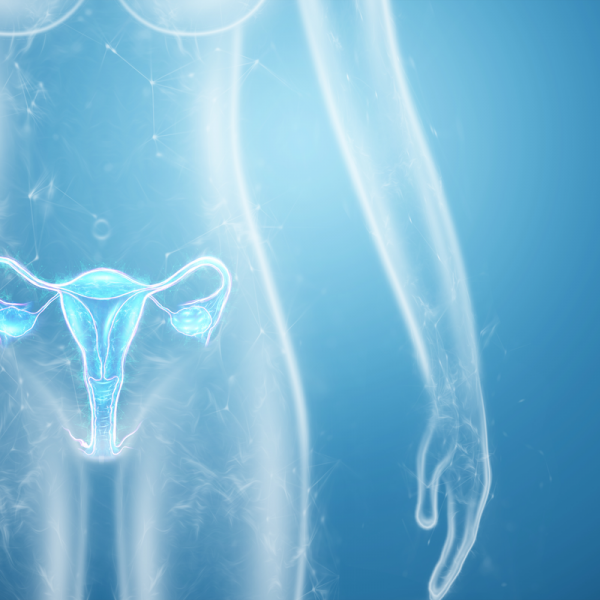
Fibromyoma
A fibromyoma, or myoma, is a mixed tumour consisting of muscle cells (called myoma) and connective tissue.
Fibrosarcoma
Fibrosarcoma or fibroblastic sarcoma is a malignant cancer that originates from connective tissue cells.
Fungal diseases (mycoses)
Fungi are pathogens of infectious diseases. Depending on the type of fungus, they can infect humans, animals and also plants.
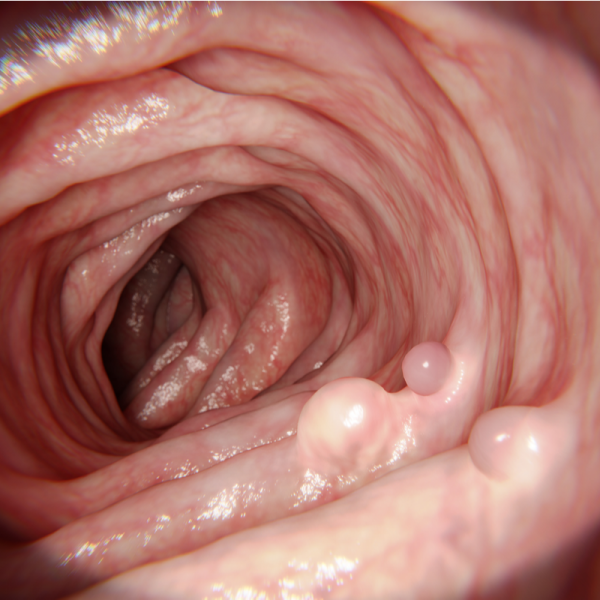
Gardner syndrome
Gardner syndrome is a rare hereditary disease in which mucosal growths (colonic polyps), multiple soft tissue tumours and benign bone tumours develop.

Gastroinestinal stromal tumour
Gastrointestinal stromal tumours (GIST) is a rare disease of the soft tissues (sarcomas) in the gastrointestinal tract, which affects approximately 1,500 people in Germany every year.
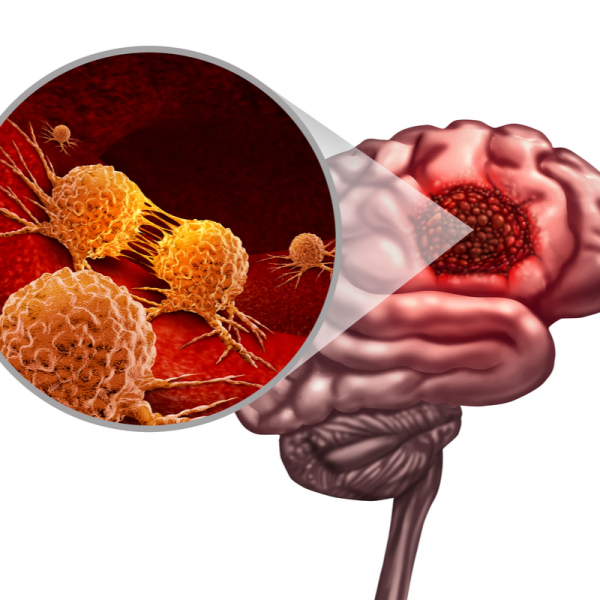
Glioblastoma
A glioblastoma is the most common form of malignant brain tumour, which forms from supporting cells of the brain. A glioblastoma usually develops within a short time and can occur anywhere in the brain.
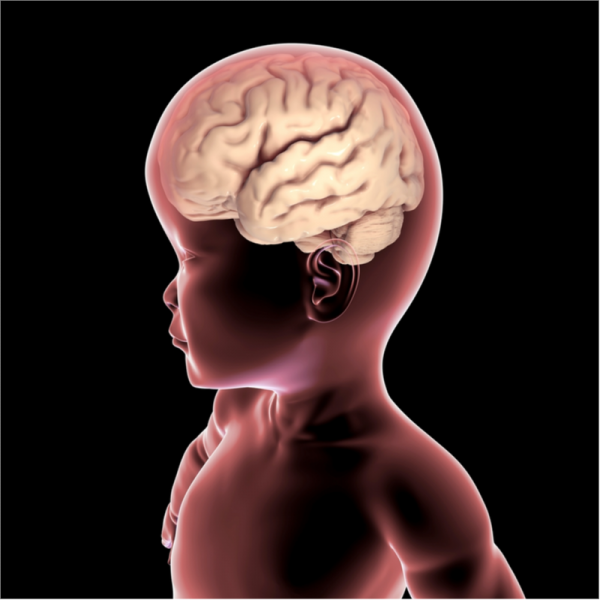
Gorlin syndrome
Gorlin's syndrome is also called basal cell nevus syndrome and can lead to malignant skin tumours, so-called basal cell carcinomas, or malignant brain tumours (medulloblastoma) already in early childhood.
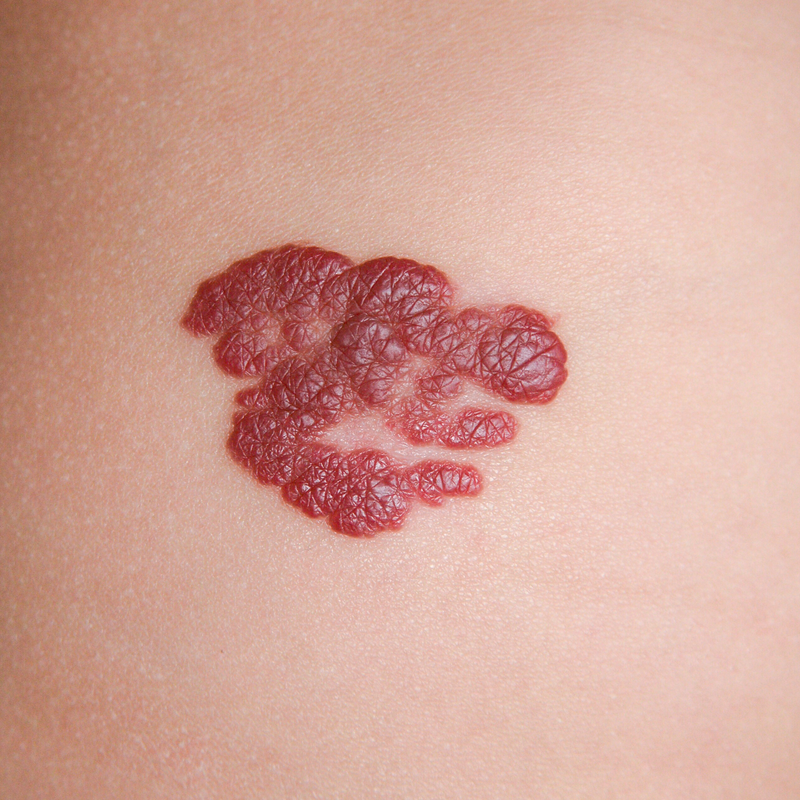
Haemangioma
A haemangioma is a benign tumour of the blood vessels, which is also colloquially known as a blood sponge or strawberry spot.
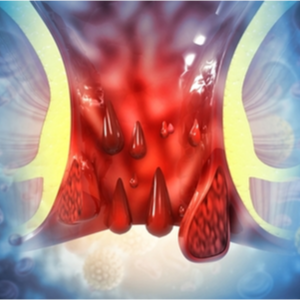
Haemorrhoids
The term haemorrhoids (also: haemorrhoids) is used by doctors to describe the spongy, well-blooded vascular cushion at the exit of the rectum, which seals the anus together with the sphincter muscle.
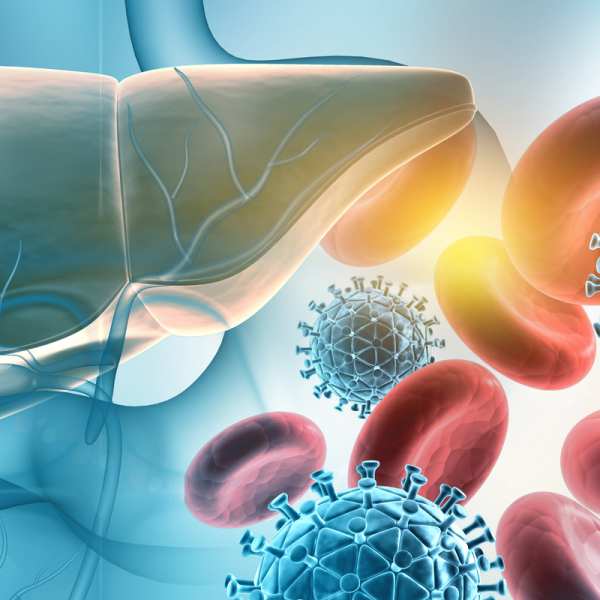
Hepatitis B Virus ( HBV)
Hepatitis is an infectious liver disease that is either congenital or acquired through a virus or bacterium.